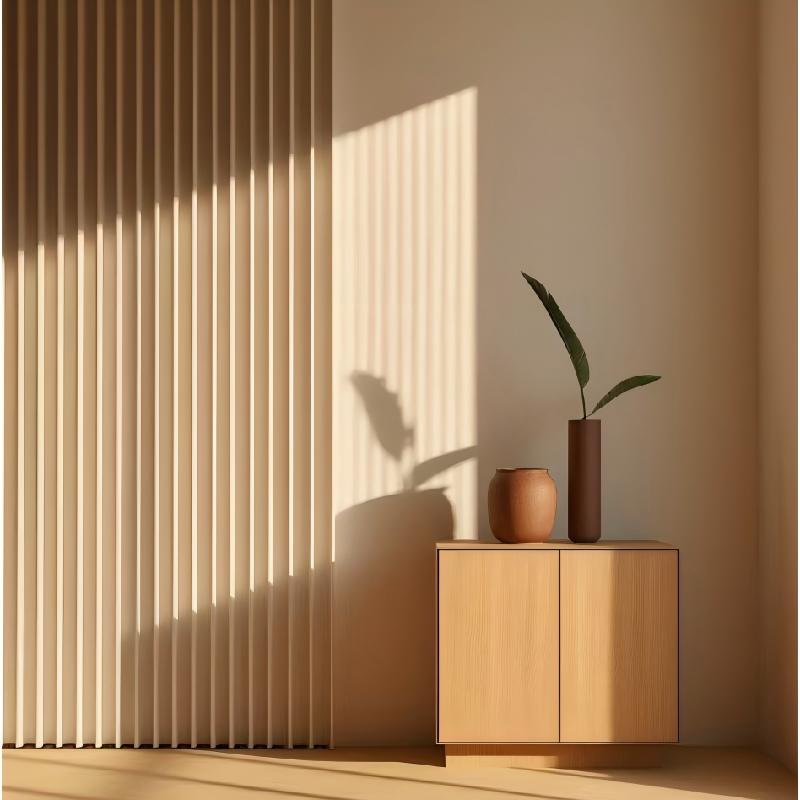
PS Grid Panels: Lightweight, Durable, and Shaping Modern Design

PS (Polystyrene) grid panels are emerging as a significant element in modern architecture and home design, valued for their unique combination of lightweight strength, versatility, and aesthetic potential. They are transforming traditional approaches to space construction and decoration.

I. Material Characteristics & Advantages

1. Lightweight & Portable: Made primarily from PS, these panels are significantly lighter than traditional materials like metal, stone, or solid wood. This simplifies transportation, reduces the need for heavy machinery, lowers logistics costs, eases installation (even enabling DIY projects), and reduces load on building structures.
2. Strong & Durable: Despite being lightweight, processed PS panels offer good strength, stability, and resistance to impact and wear. They perform well in various indoor environments (living rooms, kitchens, bathrooms) and, when specially treated, can withstand outdoor conditions (sun, rain, temperature fluctuations), making them suitable for applications like park structures, airports, or malls.
3. Eco-Friendly & Sustainable: PS is a recyclable plastic. Manufacturing PS panels generally consumes less energy and produces fewer pollutants compared to some traditional materials. At end-of-life, panels can be recycled, supporting resource circularity and aligning with green building principles.

II. Innovative Applications in Modern Architecture

1. Building Facades: PS grid panels offer diverse styles through variations in grid pattern, density, color, and size. They can create unique visual effects, from refined and delicate to bold and transparent. Often combined with materials like glass or metal, they can provide sunshading, add rhythmic detail, and create appealing light/shadow interplay.
2. Interior Space Division: Their lightweight and semi-open nature makes them ideal for flexible space partitioning (e.g., in offices, commercial complexes). They define areas without creating visual barriers, maintain light and air flow, and can be reconfigured as needs change.
3. Acoustic & Lighting Performance: The grid structure can contribute to sound absorption, reflection, and diffusion, improving acoustics in spaces like theaters or meeting rooms. They also allow for light transmission and diffusion, enhancing natural lighting, reducing energy use, and creating atmospheric effects in areas like atriums.

III. Diverse Applications in Home Decor

1. Living Room: Used for ceiling grids (often with integrated lighting for layered effects) or feature walls (with woodgrain, marble-like, or metallic finishes) to create a modern, stylish, and comfortable ambiance.
2. Bedroom: Suitable for creating soft, textured headboard walls (potentially with acoustic benefits) or for use in wardrobe doors and room dividers, adding visual interest while maintaining a sense of openness and functionality.
3. Kitchen & Bathroom: Ideal for cabinet fronts, wall accents, or partitions due to properties like moisture resistance, ease of cleaning (with appropriate coatings), and ventilation (e.g., in bathroom ceilings). They combine practicality with modern aesthetics.

IV. Installation & Maintenance Overview

·Installation: Requires a flat, clean substrate. Common methods include mounting onto ceiling grid systems or fixing to walls via adhesive, screws, or slot systems. Care must be taken during handling to avoid damage.
·Maintenance: Generally simple. Regular dusting is sufficient. Stubborn stains can be cleaned with a mild detergent solution. Avoid abrasive or corrosive cleaners. Periodic checks for loosening or damage are recommended.

V. Future Prospects & Trends

1. Enhanced Performance: Future developments may focus on increasing strength-to-weight ratios, improving fire resistance ratings with better retardants, and enhancing weather resistance for broader outdoor use.
2. Design Innovation & Customization: Advancements in digital design and manufacturing will facilitate greater customization in shape, size, color, and texture. Integration with smart materials could lead to functionalities like self-cleaning or light/temperature modulation.
3. Sustainability & Green Building: PS panels' eco-credentials (recyclability, low embodied energy) will likely see them play an increased role in green building certifications and sustainable construction projects, contributing to circular economy goals.

Conclusion
PS grid panels demonstrate significant potential in modern design through their lightweight durability, functionality, and aesthetic flexibility. Continued technological advancement promises even greater possibilities for creating beautiful, comfortable, sustainable, and personalized spaces.